
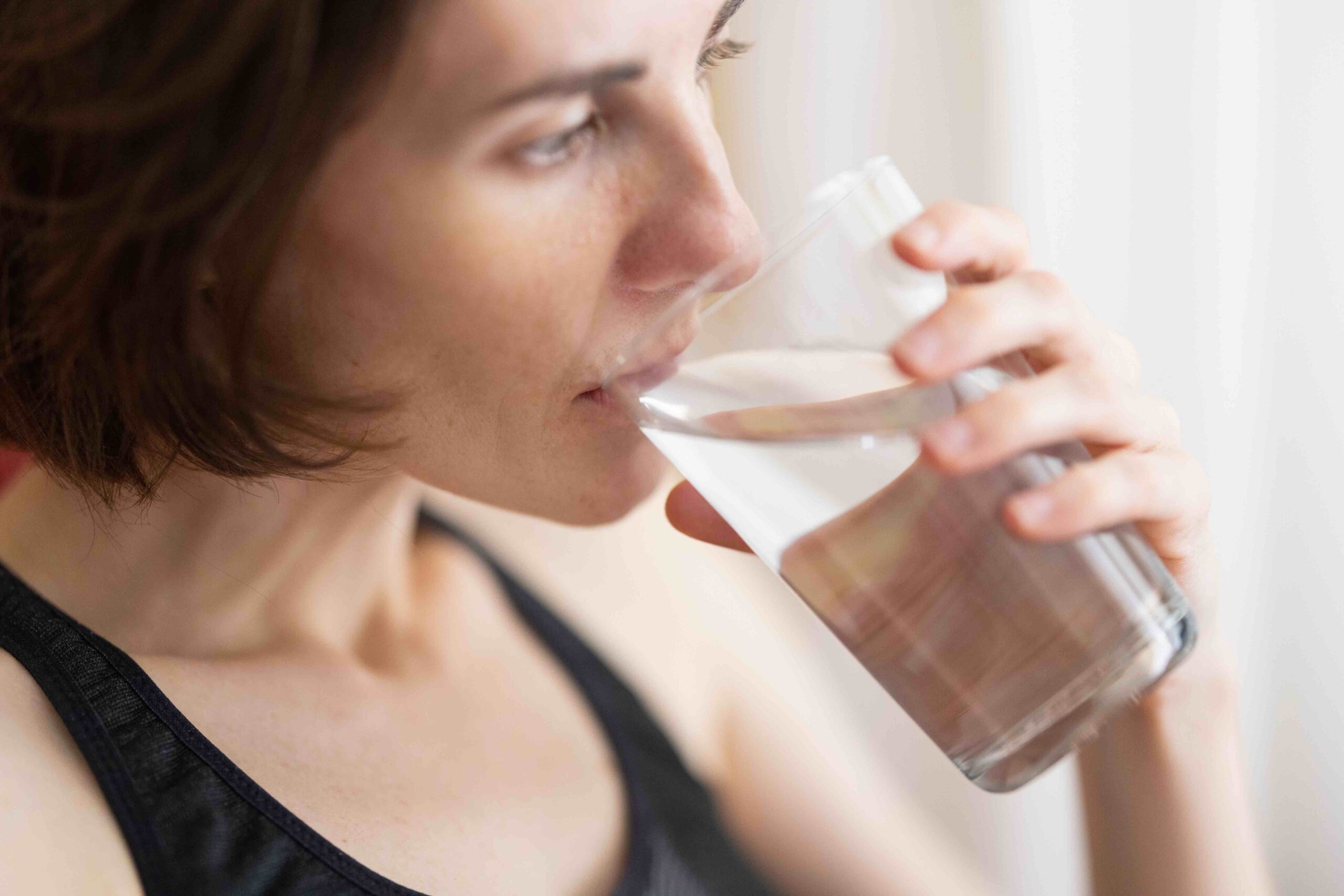
Water is everywhere. It’s in the air, the ground, and every living thing. Yet for something so essential, there’s a surprising amount of confusion about how much of it we actually need.
The “eight glasses a day” advice has been repeated so often that it’s become folklore. But it’s not quite right. It’s a generalization, not a prescription. The truth is more nuanced and, fortunately, less rigid than you might think.
Why Hydration Matters
Your body is roughly 60 percent water. Every system depends on it. Water regulates body temperature, lubricates joints, delivers nutrients, removes waste, and helps the brain communicate with the rest of the body.
Even mild dehydration can affect how you feel and function. Studies show that losing just 1-2% of your body’s water content can impair cognitive performance, making it harder to concentrate, process information, and make decisions . You might feel tired, sluggish, or irritable without knowing why. Sometimes, thirst masquerades as hunger, leading to unnecessary snacking when a glass of water would have sufficed.
The effects aren’t just mental. Dehydration can also cause muscle cramps, headaches, and dry skin. Chronic low-level dehydration can even strain your kidneys and contribute to the formation of kidney stones. The cumulative effect is a body that’s not performing at its best, whether you notice it or not.
How Much Water Do You Really Need?
The old rule of eight glasses a day is convenient, but it’s not based on evidence. The National Academies of Sciences, Engineering, and Medicine provides a more useful guideline: about 15.5 cups (3.7 liters) of fluids a day for men and 11.5 cups (2.7 liters) for women .
The key word is “fluids.” This includes water, other beverages, and the moisture in food. About 20 percent of your daily fluid intake comes from food, especially fruits and vegetables . That means actual water consumption needs to be lower than the total fluid recommendation.
Your personal needs depend on several factors. Activity level matters—you lose more water through sweat when you’re active. Climate matters—hot and humid environments increase fluid loss. Health conditions and pregnancy also change your requirements. Someone living in a temperate climate who works at a desk will need less than a marathon runner training in the desert.
The Color of Urine: A Simple Guide
Forget the eight-glass rule. The most practical way to gauge your hydration is to look at your urine . Pale yellow or clear indicates adequate hydration . Dark yellow or amber suggests you need more fluids. It’s not a perfect measure, but it’s a simple one that works in most situations.
Some people find that setting reminders on their phone or carrying a marked water bottle helps them track intake . The goal is to drink enough to keep your urine a pale yellow color, not to force down a specific number of glasses.
Can You Drink Too Much Water?
Yes, though it’s rare. Drinking excessive water in a short period can cause water intoxication, diluting the sodium in your blood to dangerous levels . This is more common in endurance athletes who lose salt through sweat and drink only water to replace it. For most people, thirst prevents overhydration. Listen to your body, and you’ll likely stay within safe limits.
Beyond Water: Other Sources of Hydration
If plain water bores you, there are alternatives. Herbal teas, sparkling water, and water with a squeeze of lemon or cucumber are all hydrating. Sports drinks can be useful for intense exercise lasting more than an hour, but they add sugar and calories that most people don’t need for daily activities.
Soups, broths, and watery fruits like watermelon, cucumber, and oranges also contribute to your daily fluid intake . The food you eat matters as much as what you drink.
Special Considerations
Everyone’s needs are a little different. If you’re exercising, you need to replace the fluids you lose through sweat. A good approach is to weigh yourself before and after a workout—for every pound lost, drink 16 to 20 ounces of fluid . If you’re in a hot environment, you may need to drink more even if you’re not active.
Some health conditions and medications can increase your need for fluids or alter how your body processes water. Always follow medical advice if you have specific health concerns. Pregnant and breastfeeding women also have higher fluid needs.
Simple Ways to Drink More
If you struggle to drink enough, start small. Keep a reusable water bottle at your desk and refill it throughout the day. Drink water with every meal, not just when you’re thirsty. Add flavor with lemon, lime, or cucumber to make it more appealing. Set a timer on your phone to remind you to sip. These small habits add up to better hydration.
The takeaway is straightforward: your body needs water to function well. Pay attention to the signals it sends and provide what it needs. Stay hydrated, and you’ll think more clearly, move more easily, and feel better overall.
