
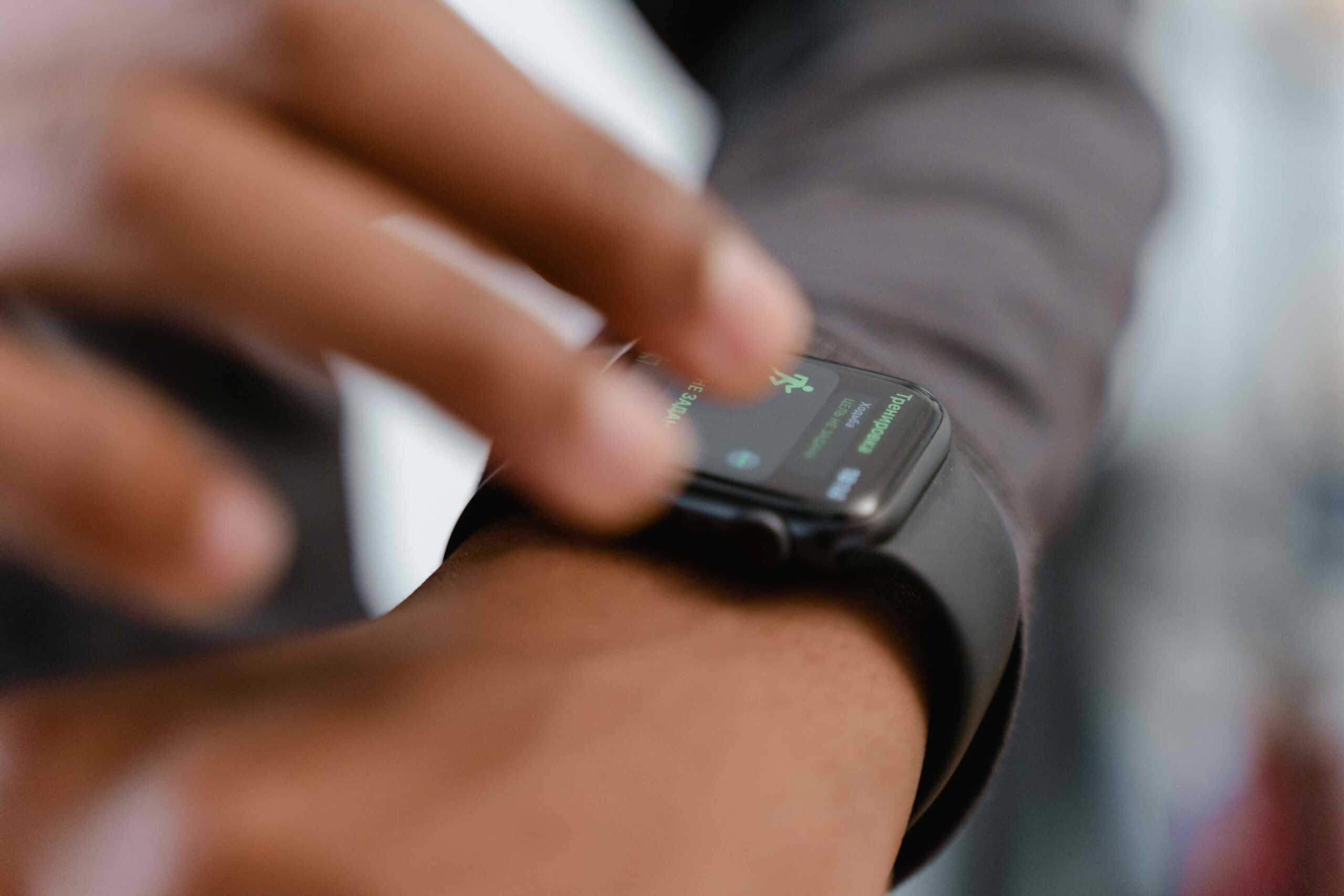
Ten years ago, a wearable device meant a step counter. A gadget that tracked how many steps you took and maybe how well you slept. Useful, but hardly transformative.
That era is over.
Today’s wearables are evolving into sophisticated medical tools capable of continuous physiological and biochemical monitoring, early disease detection, and even therapeutic intervention. The shift is profound. We’re moving from reactive healthcare, where you visit a doctor when something goes wrong, to proactive healthcare, where your body’s signals are monitored constantly and problems are caught before they become crises .
The Invisible Revolution in Monitoring
For decades, healthcare professionals have relied on intermittent measurements. A nurse checks your vitals a few times a day. You visit a clinic for a blood test. That snapshot approach misses everything that happens in between.
Wearables fill those gaps. They provide continuous, real-time data on heart rate, body temperature, blood pressure, oxygen saturation, and activity levels . This isn’t just more data. It’s a fundamentally different type of information. Instead of isolated points on a graph, clinicians can see trends, patterns, and deviations that would otherwise go unnoticed.
The applications are already impressive. Continuous glucose monitors have transformed diabetes management . Smartwatches can detect atrial fibrillation and alert users to irregular heart rhythms . Wearable bands track acceleration and movement patterns to help diagnose stroke and neurodegenerative diseases . A systematic review of 61 studies found that 64% of wearable devices used for chronic disease monitoring were bands worn on the wrist, collecting data on acceleration, heart rate, body temperature, blood pressure, and oxygen saturation .
What Happens When Sensors Leave the Wrist
The technology is going further. Sensors are leaving the wrist and embedding themselves into fabrics, patches, even microneedles.
Smart textiles are garments with integrated sensors that monitor heart rate, respiratory rate, and body temperature . They’re being developed for chronic disease management, sports health monitoring, and geriatric care . The technology is moving toward self-powered textiles that harvest energy from body movement or heat, eliminating the need for batteries .
Flexible patches thinner than a Band-Aid can be worn on the skin, measuring sweat biomarkers like glucose, lactate, and pH levels . Some patches use microneedles to access interstitial fluid, enabling continuous monitoring of glucose and ketone levels . These devices are non-invasive or minimally invasive, offering the promise of lab-quality diagnostics without the finger pricks or blood draws.
Wearable biosensors now incorporate nanomaterials like graphene and quantum dots, significantly enhancing their sensitivity and efficiency . The integration of artificial intelligence and machine learning allows these devices to process complex datasets, deliver predictive analytics, and offer personalized healthcare insights .
Real Impact in Real Hospitals
The technology is moving from consumer wellness to clinical practice. A scoping review of wearable wireless monitoring in high-risk hospital patients found that continuous monitoring was associated with improvements in outcomes such as in-hospital mortality, ICU admissions, and rapid response team activations . Patients generally showed high acceptance of these devices, though nurses expressed more hesitancy due to concerns about workflow integration and data reliability .
The Mayo Clinic is actively exploring how to use wearable data to improve patient care. Dr. Arjun Athreya notes that “any new patient walking through our door with a wearable device, we should be able to use that data and facilitate end measurement or prognostication, or prediction or diagnosis” . Dr. Jeannie Bailey adds that “this tracking really enables patients to take ownership and think about their own progress, and it gives them that feedback” .
The Challenges That Remain
The technology is moving fast. The systems to support it are not.
Data overload is a real concern. Wearables produce vast quantities of data, but context is essential to interpret it . An elevated heart rate could indicate stress, arrhythmia, or too much caffeine. Without proper context, even the most advanced AI can misread signals. Clinicians are already reporting being inundated with raw data that lacks clear clinical pathways .
Privacy and equity are also significant concerns. The most accurate, clinically validated devices are expensive, potentially deepening health inequalities . If algorithms are trained on data from overrepresented populations, certain groups risk being invisible to these systems. And as sensors become “always on,” the question of who owns and controls the data becomes increasingly urgent .
Adoption faces barriers. While patients are generally eager to use wearable technology, nurses have shown more hesitancy, citing workflow integration, device reliability, and the need for adequate training . Implementing continuous monitoring in routine clinical practice requires optimizing alarm management, improving device reliability, and addressing workflow integration .
A Future Worth Building
Wearable technology is reshaping healthcare. It’s not just about new devices. It’s about redefining what healthcare looks like: continuous, personalized, and proactive. The sensors will get smaller, the AI will get faster, and the adoption curve will climb.
The question isn’t whether this transformation will happen. It’s whether we’ll build it thoughtfully, addressing the challenges of privacy, equity, and clinical integration along the way. As one critical observer notes, “the challenge before us is not technical—it is philosophical, ethical, and deeply human” . What remains uncertain is whether this ecosystem will serve people or whether people will become servants to it .
