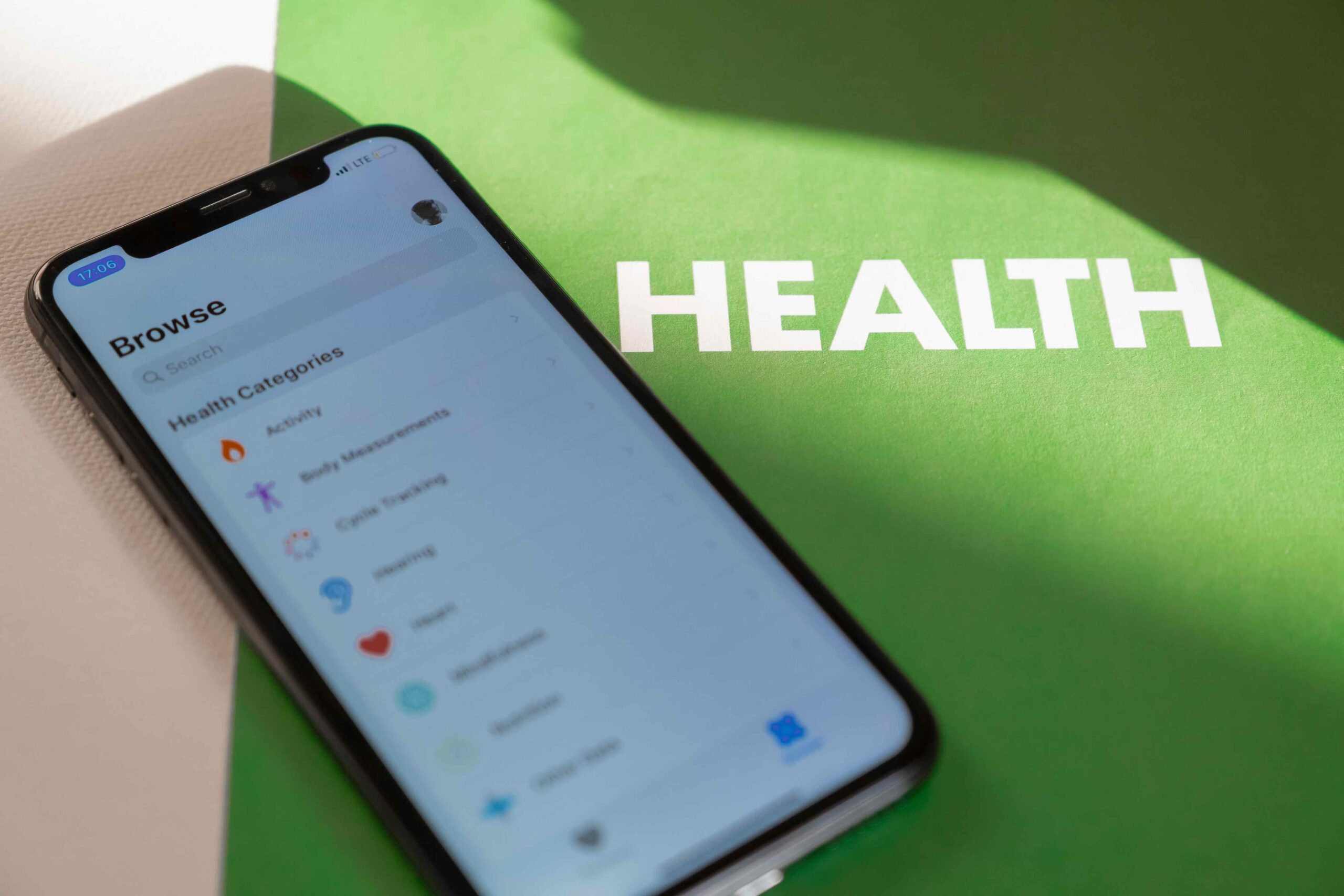
The ping of a notification. The buzz of a message. The infinite scroll of a feed designed to keep you engaged. These are the forces that fragment your attention, pulling you away from deep work and into a state of perpetual distraction.
The answer isn’t to abandon technology. It’s to build habits that give you control over it. Here’s how.
The Single Most Powerful Change
Notifications are the enemy of focus. Each one is a demand for your attention, a tiny interruption that breaks your flow. The research is clear: it takes about 23 minutes to fully regain focus after a distraction . If you’re checking your phone every few minutes, you’re never actually focused. You’re just bouncing from one interruption to the next.
The solution is simple: go into your notification settings and turn off everything except what genuinely needs your immediate attention. The emails can wait. The social media alerts can wait. The news updates can wait. Only direct messages from people you’re working with, calls, and calendar reminders deserve to interrupt you.
Structure Your Day for Focus
The First Hour is Sacred
Your mind is sharpest in the morning, before the day’s demands have fragmented your attention. How you spend that first hour sets the tone for the rest of your day.
Don’t start by checking email or social media. You’re handing over the best time of your day to other people’s agendas. Instead, spend the first hour on something that matters to you: creative work, exercise, reading, or any activity that requires deep concentration.
Batch Similar Tasks
Context switching is the hidden cost of modern work. Every time you shift between tasks, you pay a mental tax. Instead of checking email throughout the day, check it two or three times at set intervals. The same goes for messaging apps. This reduces the number of context switches and preserves your focus for deeper work.
Work in Focused Blocks
Set aside dedicated time for deep work, where you don’t check your phone, email, or messages. Even twenty minutes of uninterrupted work is more productive than an hour of fragmented attention. Use a timer if it helps. The Pomodoro Technique—25 minutes of focus followed by a 5-minute break—is a simple way to start.
Design Your Environment for Focus
Digital Clutter is Real
A cluttered browser, a cluttered desktop, a cluttered phone screen. These all contribute to cognitive overhead. The more decisions you have to make about what to look at, the more mental energy you spend on trivial matters.
Close unnecessary tabs. Hide apps you don’t use. Keep your home screen clean. The goal is to reduce friction between you and the tasks that matter.
Physical Distance Matters
The easier it is to reach your phone, the more you’ll use it. When you’re working, keep your phone out of sight. Put it in another room if possible. The extra step of getting up to check it gives you a moment to consider whether you actually need to.
Set Boundaries
Create specific phone-free periods. The first hour after waking up is a good candidate. So is the last hour before sleep. These boundaries help you build a healthier relationship with your device without constant vigilance.
Reframe Your Relationship with Technology
Your Phone is a Tool, Not a Taskmaster
If you think of your phone as a source of distraction, you’ll feel guilty every time you use it. That guilt doesn’t help. Instead, think of your phone as a tool you control. You decide when to use it, for what purpose, and for how long. This mental shift changes the dynamic entirely.
Use Apps Intentionally
When you open an app, know what you’re looking for. Don’t open Instagram expecting to find something interesting. Open it because you want to check a specific person’s post. The difference is subtle but significant.
Set an Intention
Before you unlock your phone, ask yourself: “What am I looking for?” If you can’t answer, don’t pick it up. This simple question cuts through the aimless scrolling that wastes so much of our time.
The Role of Digital Tools
Use Built-In Focus Features
Both iOS and Android have focus modes that silence notifications and limit app access during specific times. Set a work focus mode. You can still access the apps you need for work, but distractions are muted.
Try the Forest App
Forest gamifies focus in a gentle way. You start a timer, and a virtual tree begins to grow. Leave the app to check social media, and the tree dies. The psychological weight of killing something you’ve grown makes distraction feel genuinely costly. It’s a one-time purchase, not a subscription, which makes it refreshingly straightforward in 2026.
Consider a Site Blocker
For persistent distractions, tools like Freedom block distracting websites and apps across all your devices simultaneously. Unlike simple site blockers, they create a unified focus session that’s difficult to bypass. For anyone who struggles with the pull of social media during work hours, it’s a game-changer.
Start Small
You don’t need to change everything at once. Pick one habit that appeals to you and try it for a week. Maybe it’s turning off notifications. Maybe it’s keeping your phone in another room during work hours. Maybe it’s batching your email checks. Each small change builds on the last.
The goal isn’t perfection. It’s progress. Over time, these habits compound, turning minutes saved into hours reclaimed. Your focus will improve, your work will deepen, and your relationship with technology will shift from one of dependence to one of intentional use.
