
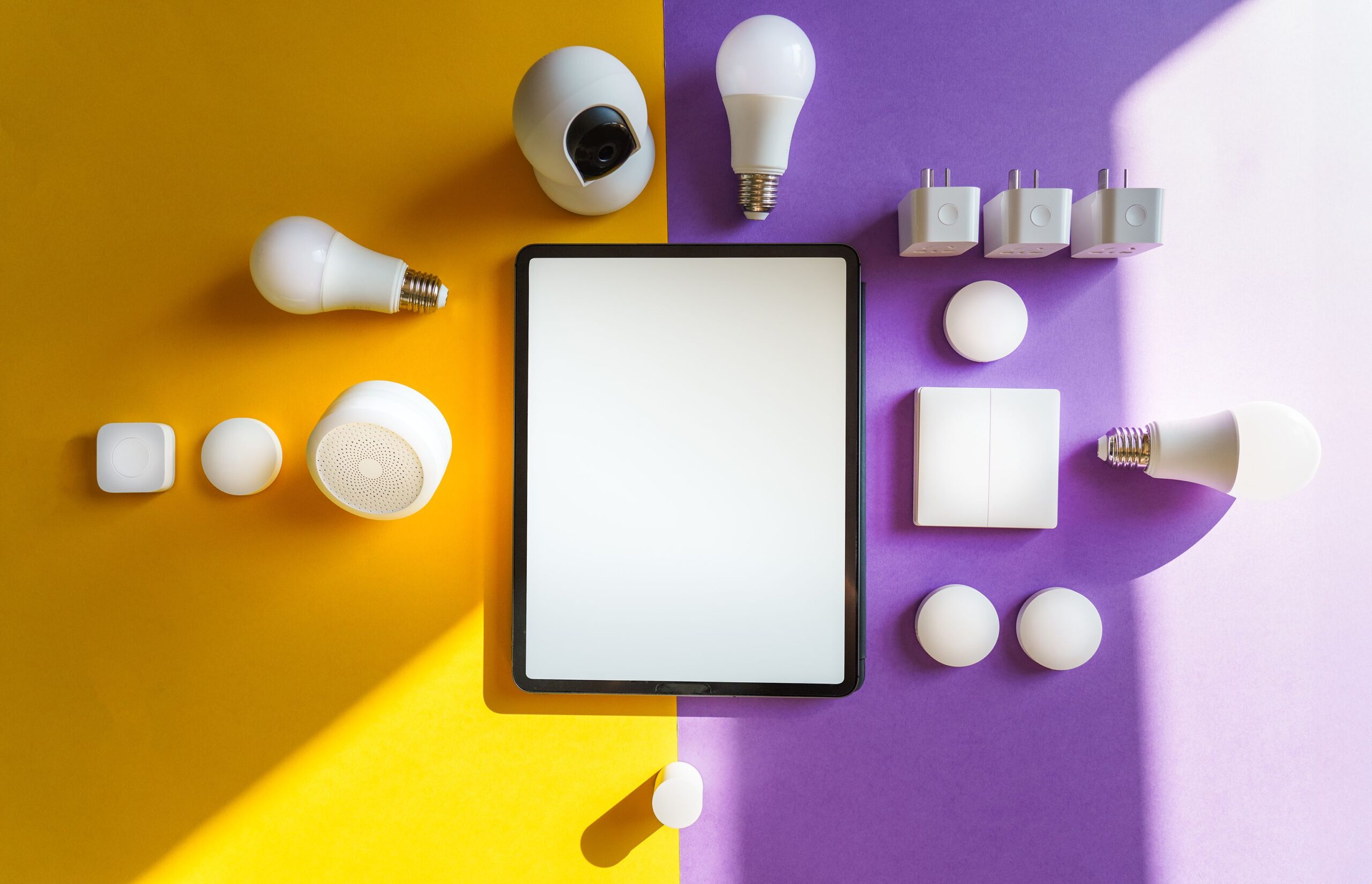
The smart home industry has a problem. It keeps inventing solutions for problems that don’t exist. A Wi-Fi-enabled toothbrush? A refrigerator that tweets? These are distractions, not improvements.
After years of testing countless gadgets, I’ve developed a healthy skepticism about most of them. Many end up in drawers, forgotten. A few, however, become indispensable. They quietly disappear into daily life, doing their job so effectively that you stop noticing them.
Here are ten smart devices that have genuinely earned their place.
Robot Vacuum with Mopping
This is the closest thing to a housekeeping assistant that most of us will ever afford. The latest generation doesn’t just vacuum. It maps your floor plan, empties its own dustbin, and washes its own mop pads.
The Roborock Saros 10 is a good example of how far the technology has come. It can go weeks without manual intervention, handling both vacuuming and mopping simultaneously. You fill a water tank weekly and replace the dustbag every few months. That’s it. Floors stay clean with almost no effort.
Is it expensive? Yes. Is it worth it? For anyone with a busy schedule, absolutely.
Smart Bulbs
Smart lighting is the easiest entry point into home automation. It’s affordable, easy to install, and immediately useful.
I use smart bulbs to simulate sunrise each morning. The light gradually brightens before my alarm goes off, making waking up feel less violent. In the evening, I can dim the lights from my phone without getting out of bed.
The Wyze Bulb Color offers reliable performance and millions of colors for around $23. For something more customizable, the GE Cync bulbs feature four quadrants that you can set to different colors simultaneously.
Smart Lock
The smart lock is the device I was most skeptical about. Now I’m a convert.
Yale’s Assure Lock 2 lets me come and go without carrying a key. I enter a passcode, or use my phone or smartwatch. The app tells me if the door is locked, which is a small but genuine relief for anyone who’s ever driven back home to check.
Temporary codes are surprisingly useful for visitors, dog walkers, or house cleaners. They expire when the visit ends. The lock itself is sturdy and well-built.
Video Doorbell
Everyone on my block seems to have a Ring doorbell. There’s a reason for that. They solve a real problem: knowing who’s at your door without getting up.
When a package arrives, you can see it. When a visitor comes while you’re out, you can talk to them through the speaker. The Arlo Essential Wired doorbell offers 1536p HD video with an ultra-wide 180-degree field of view.
The subscription model bothers some people. Alternatives like Eufy store video locally without a monthly fee.
Smart Thermostat
This is the only smart device that pays for itself. A good smart thermostat learns your schedule and adjusts temperatures accordingly, saving energy while keeping you comfortable.
The Nest Learning Thermostat (4th Gen) automates temperature adjustments based on your habits and comes with a satellite sensor for more accurate room readings. It also provides monthly reports on your energy usage.
Some utilities even offer rebates for installing one. The energy savings typically cover the upfront cost within a year or two.
Smart Plug
This is the cheapest, simplest way to start automating your home. A smart plug turns any ordinary appliance into a voice-controlled device.
I use mine for a coffee maker that starts brewing when my alarm goes off. I also use one for lamps that don’t support smart bulbs directly.
The Amazon Smart Plug is reliable and integrates seamlessly with Alexa. The TP-Link Kasa Smart Plug Mini works with multiple platforms and offers flexible scheduling.
Smart Speaker
A smart speaker is your home’s command center. It plays music, answers questions, sets timers, and controls everything else on this list.
The Echo Studio (2025) offers excellent sound quality and advanced voice control through Alexa. For Google users, the Nest Hub adds a screen for visual feedback, including security camera feeds and recipe videos.
Smart Blind
This is a recent addition to my setup, and it’s surprisingly effective. Lutron’s Caséta Smart Wood Blinds adjust their slats automatically throughout the day to reduce glare while still letting in natural light.
They operate via remote, voice command, or an app. The Natural Light Optimization feature tilts the blinds as the sun moves, keeping rooms comfortable without manual adjustment. They’re battery-powered, so installation doesn’t require wiring.
Water Leak Sensor
This is the least glamorous item on the list. It’s also one of the most important.
A water leak sensor sits under your sink, behind your washing machine, or near your water heater. When it detects moisture, it sends an alert to your phone. If just one sensor catches one leak, it can save you thousands of dollars in damage.
The Eufy Water Sensor is affordable and reliable. The Hydrific Droplet is more advanced, clamping onto pipes and using ultrasonic sensors to monitor flow patterns, detecting even tiny leaks before they become noticeable.
Smart Security Camera
Outdoor cameras provide a simple but powerful benefit: knowing what’s happening around your home even when you’re away. They capture movement, send alerts, and let you check in at any time.
The Arlo Pro 6 offers 2K resolution, a 160-degree field of view, excellent night vision, and strong smart home support. It’s wireless, making installation straightforward. The downside is that some features require a subscription.
The Bottom Line
Technology only makes life easier when it solves a genuine problem. A smart bulb that helps you wake up gently? That’s useful. A smart lock that lets you stop carrying keys? That’s practical. A refrigerator that suggests recipes you’ll never make? That’s optional.
Stick to the fundamentals. Start with one or two devices that address your specific frustrations. Build from there. Your home will become more convenient, more efficient, and easier to manage.
